
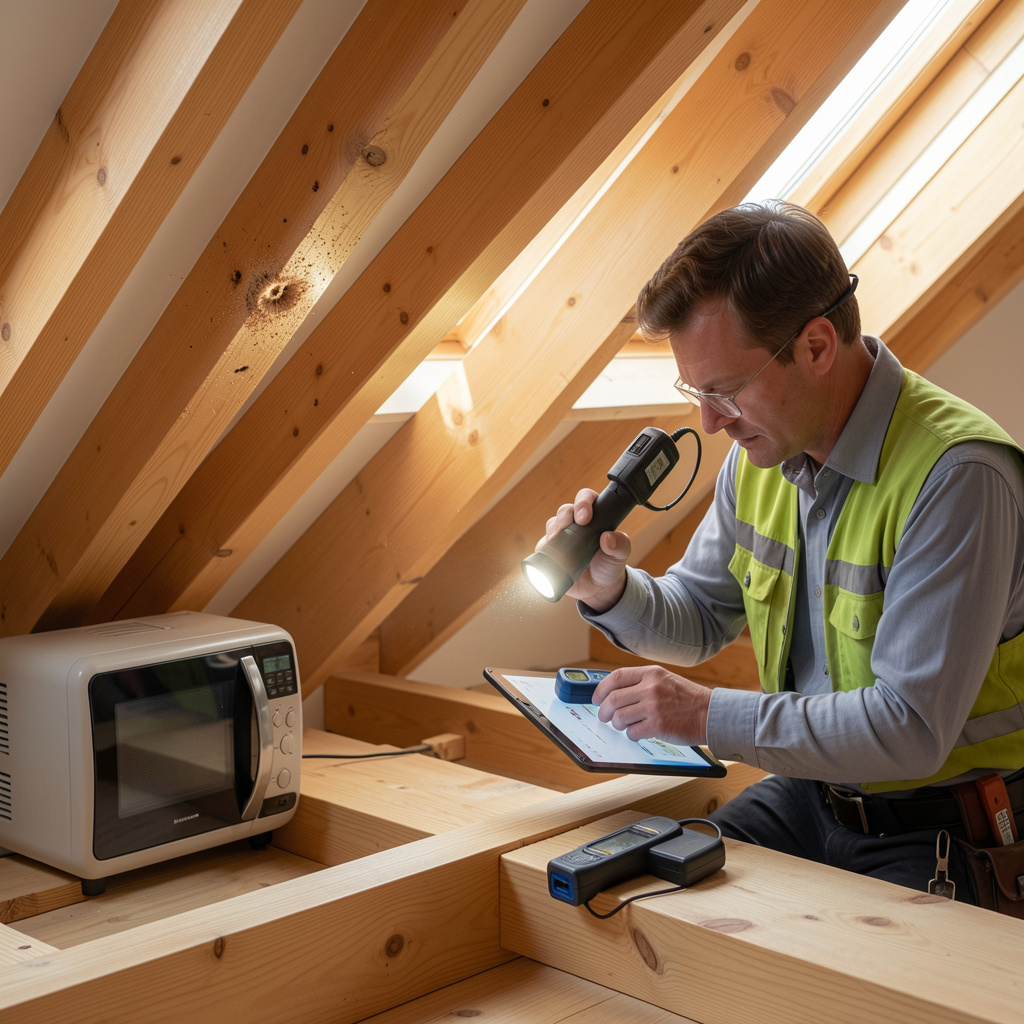
Wood has been a cornerstone of European architecture for centuries, from medieval timber-frame houses and alpine chalets to modern wooden homes and historic castles. Although timber is durable and sustainable, it remains vulnerable to a variety of wood-damaging pests that can weaken structural components, furniture, flooring, and valuable antiques if left untreated.
Europe is home to several insect species capable of damaging wood. Some bore deep into structural timber, while others attack hardwood furniture or freshly cut wood. Correctly identifying the pest responsible is essential because each species has its own behavior, preferred wood type, and treatment requirements.
This guide explores the most destructive wood pests found across Europe, explains how to recognize them, and shares practical tips for protecting wooden structures.
Why Wood Pests Are a Concern
Wood-damaging insects feed on cellulose or create tunnels inside timber during part of their life cycle.
If infestations remain unnoticed, they may lead to:
- Structural weakening
- Damaged furniture
- Reduced property value
- Expensive repairs
- Loss of historic timber
- Damage to wooden flooring
Regular inspections and preventive maintenance help reduce these risks.
Common Furniture Beetle (Anobium punctatum)
The Common Furniture Beetle is one of the most widespread wood-boring beetles in Europe and is responsible for many woodworm infestations.
It commonly attacks:
- Wooden furniture
- Floorboards
- Roof timbers
- Doors
- Window frames
- Softwood structures
Typical Signs
- Small round exit holes (1–2 mm)
- Fine powdery frass
- Adult beetles appearing during spring and summer
This species is frequently found in homes and historic buildings.
Deathwatch Beetle (Xestobium rufovillosum)
The Deathwatch Beetle is especially associated with older buildings and hardwood timber.
It commonly infests:
- Oak beams
- Historic churches
- Castles
- Timber-frame buildings
Typical Signs
- Larger exit holes
- Coarse frass
- Hollow timber
- Characteristic tapping sound during mating season
This species often attacks wood already affected by fungal decay.
House Longhorn Beetle (Hylotrupes bajulus)
The House Longhorn Beetle is one of Europe’s most destructive structural timber pests.
It primarily attacks:
- Roof timbers
- Structural softwood
- Attic beams
Typical Signs
- Oval exit holes
- Large feeding galleries
- Coarse frass
- Significant weakening of timber
Larvae may remain inside wood for several years before emerging.
Powderpost Beetles (Lyctinae)
Powderpost Beetles mainly infest hardwoods with a high starch content.
They commonly attack:
- Hardwood flooring
- Decorative woodwork
- Furniture
- Wooden paneling
Typical Signs
- Tiny exit holes
- Fine flour-like frass
- Numerous small emergence holes
Repeated infestations may occur if untreated hardwood remains available.
Drywood Termites
Although termites are less widespread in Europe than in tropical regions, drywood termites are established in some southern European areas, particularly around the Mediterranean.
They may infest:
- Roof timbers
- Wooden furniture
- Doors
- Window frames
- Structural timber
Typical Signs
- Hollow wood
- Pellet-shaped frass
- Swarming winged termites
- Internal galleries
Unlike subterranean termites, drywood termites do not require contact with soil.
Bark Beetles
Bark Beetles primarily attack living or recently felled trees.
Although they are major forest pests throughout Europe, they rarely infest finished structural timber inside homes.
However, they can cause significant environmental and economic damage to forests.
Ambrosia Beetles
Ambrosia Beetles bore into freshly cut timber and cultivate fungi within their tunnels.
They are more commonly associated with:
- Recently felled trees
- Fresh lumber
- Logs
- Wood storage yards
Properly seasoned construction timber is generally much less susceptible.
Wood Wasps (Horntails)
Wood wasps, also known as horntails, lay eggs in weakened or freshly cut trees.
Although adult insects sometimes emerge from structural timber, they usually infest the wood before it is used in construction rather than attacking finished buildings.
Which Pest Causes the Most Damage?
The level of damage depends on several factors:
- Pest species
- Infestation size
- Timber type
- Moisture conditions
- Duration of infestation
Among Europe’s most destructive structural timber pests are:
- House Longhorn Beetle
- Deathwatch Beetle
- Common Furniture Beetle
- Drywood Termites (in affected regions)
Early detection greatly reduces repair costs.
Common Warning Signs
Regardless of species, watch for:
- Small exit holes
- Fine or coarse frass
- Hollow-sounding timber
- Weak wooden structures
- Crumbling wood
- Adult insects
- Swarming termites
Regular inspections help identify problems before extensive damage develops.
Moisture and Wood Pests
Moisture plays an important role in many wood infestations.
Common moisture sources include:
- Roof leaks
- Plumbing leaks
- Poor ventilation
- Condensation
- High indoor humidity
Some wood-boring beetle species are more likely to infest timber with elevated moisture levels.
Maintaining dry wood helps support long-term timber preservation.
Modern Woodworm Treatment Options
If an active woodworm infestation is confirmed, treatment depends on:
- Beetle species
- Severity of infestation
- Structural condition
- Accessibility
Professional options include approved chemical treatments and modern heat-based technologies.
Microwave Woodworm Treatment
One increasingly popular chemical-free option is microwave woodworm treatment.
Professional microwave equipment uses dielectric heating to generate controlled heat inside timber.
The treatment is designed to eliminate:
- Woodworm larvae
- Beetle eggs
- Pupae
- Adult wood-boring beetles
Microwave treatment is particularly suitable for many wood-boring beetle infestations. It is not a standard treatment for termite colonies, which typically require different pest management approaches.
Comparison of Europe’s Major Wood Pests
| Pest | Commonly Attacks | Typical Signs |
|---|---|---|
| Common Furniture Beetle | Furniture, beams, floorboards | Small round holes, fine frass |
| Deathwatch Beetle | Oak beams, historic buildings | Larger holes, coarse frass |
| House Longhorn Beetle | Roof timbers, structural softwood | Oval holes, large galleries |
| Powderpost Beetles | Hardwood furniture and flooring | Tiny holes, flour-like frass |
| Drywood Termites | Structural timber, furniture | Pellet-shaped frass, hollow wood |
| Bark Beetles | Living trees | Galleries beneath bark |
| Ambrosia Beetles | Fresh timber and logs | Tunnels with fungal growth |
Common Mistakes to Avoid
Avoid these common errors:
- Ignoring small exit holes.
- Assuming all wood damage is caused by termites.
- Delaying repairs to moisture problems.
- Confusing old damage with active infestations.
- Neglecting regular timber inspections.
Preventive maintenance is the best defense against serious structural damage.
Common Myths About Wood Pests
Myth 1: All Wood-Boring Insects Cause the Same Damage
Fact: Different species attack different types of wood and leave unique signs such as exit holes, frass, or feeding galleries.
Myth 2: Only Old Buildings Get Wood Pests
Fact: New homes can also become infested if suitable conditions exist or infested timber is introduced.
Myth 3: Every Exit Hole Indicates an Active Infestation
Fact: Exit holes may remain visible long after insects have emerged. Fresh frass and other evidence are usually needed to confirm current activity.
Conclusion
Europe is home to several destructive wood pests, each with unique habits and preferred timber types. From the Common Furniture Beetle and Deathwatch Beetle to the House Longhorn Beetle and Drywood Termites, these insects can cause significant damage if infestations remain undetected. Understanding the warning signs—such as exit holes, frass, hollow timber, and weakened structures—helps homeowners identify problems early and take appropriate action.
Routine inspections, moisture control, proper ventilation, and regular maintenance remain the most effective ways to protect wooden buildings. When active woodworm infestations are confirmed, modern solutions such as microwave woodworm treatment offer a targeted, chemical-free method for eliminating wood-boring beetle larvae while preserving valuable timber. Combined with good preventive care, these measures help ensure wooden structures remain safe, durable, and protected for generations.Visit https://www.shashel.eu online for more details.